


Ski Goggle Lens Colours Explained - The Complete 2025 Guide
Choosing the right ski goggle lens colour can make a huge difference to your comfort, visibility and safety on the mountain. Whether you are skiing in sunshine, fog, flat light or snow, the correct lens tint helps you see more clearly and enjoy a better day on the slopes.
This guide explains what each lens colour does, which tint works best for different conditions, and how beginners can choose the right option for their first ski trip.

Why Lens Colour Matters
Snow reflects a large amount of sunlight and visibility can change quickly at altitude. Your lens tint affects how well you can see contrast, read terrain and react to bumps, shadows and ice. The right colour improves clarity and confidence, especially in challenging weather.
What Is VLT?
VLT (Visible Light Transmission) is the percentage of light allowed through the lens.
- High VLT (40%-80%) - Best for fog, cloud, flat light and snowfall.
- Medium VLT (20%-40%) - Ideal for mixed conditions.
- Low VLT (5%-20%) - Best for bright sunlight and bluebird days.
Lens Colours Explained

Yellow / Gold Lenses - For Fog and Flat Light
Yellow and gold lenses brighten your surroundings and boost contrast, making them ideal for fog, whiteouts and flat light.
Rose / Pink Lenses - For Cloudy or Mixed Light
These are excellent for overcast days and flat light. They enhance depth perception and help you see terrain changes more clearly.
Orange Lenses - For Overcast and Changing Weather
Orange lenses work well in mixed light, light snow and cloudy days. They offer strong contrast and reliable all-round visibility.
Blue Lenses - Great All-Rounders
Blue lenses balance glare reduction and contrast, making them ideal for a variety of conditions including sun plus cloud.
Green Lenses - Balanced for Most Conditions
Green lenses provide clear visibility across different environments and perform well in variable light.
Black / Grey Lenses - For Bright Sun
These lenses reduce glare and eye strain, making them ideal for sunny days and high-altitude skiing.
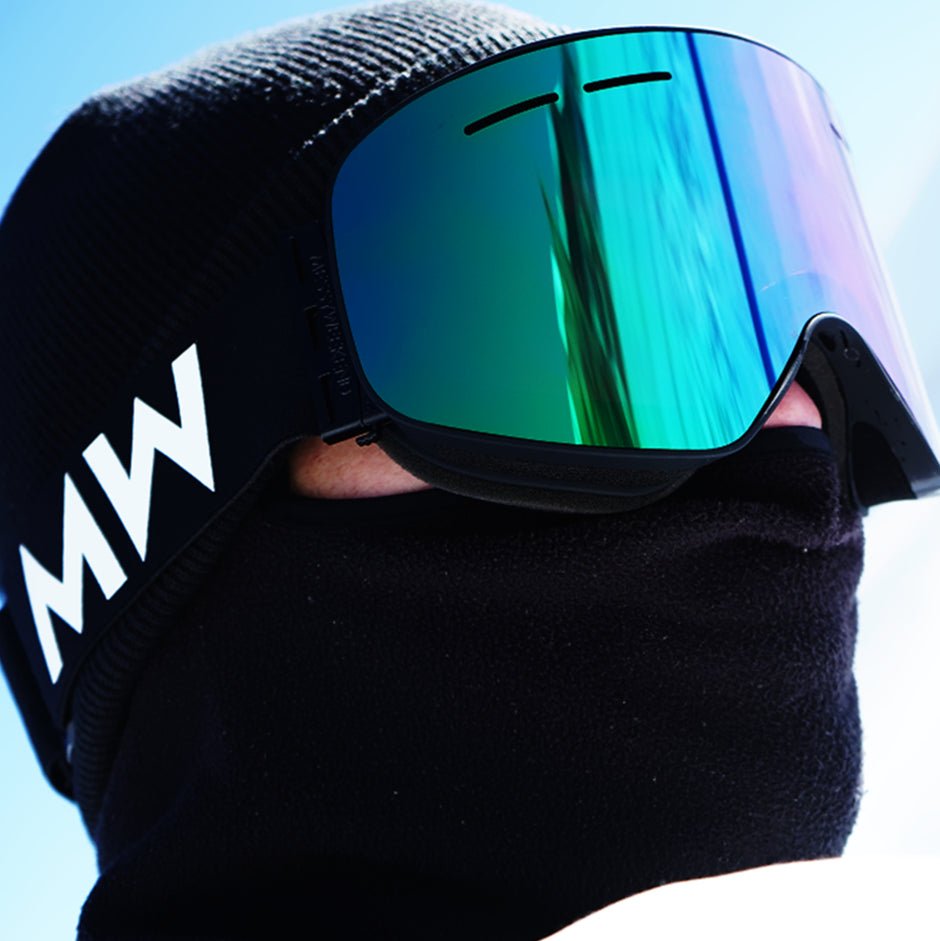
Mirrored Lenses - For Strong Sunlight
Mirrored coatings reflect extra light and work best in bright, sunny conditions.
Clear Lenses - For Night Skiing
Clear lenses are the best choice for night skiing or extremely low-light situations.
Photochromic vs Interchangeable Lenses
Photochromic Lenses
Photochromic lenses automatically adjust their darkness based on the light. They are ideal if you want one lens to cover changing conditions.
Interchangeable Lenses
Interchangeable lenses let you swap tints depending on the weather. Magnetic systems make this extremely quick and easy.
Best Lens for Beginners
If you are going on your first ski holiday, choose a versatile all-round lens. Blue, green or rose lenses work well in typical skiing conditions. Avoid lenses that are too dark unless you expect constant sunshine.
Photochromic lenses are an excellent option for beginners who want a single lens that adapts to the weather.
Best Lens by Weather
| Weather | Best Lens Colours | VLT Range |
|---|---|---|
| Bright sun | Black, Grey, Mirrored | 5%-20% |
| Mixed sun and cloud | Blue, Green, Orange | 20%-40% |
| Cloudy or flat light | Rose, Yellow, Orange | 40%-60% |
| Fog or snowfall | Yellow, Rose | 50%-80% |
| Night skiing | Clear | 80%-100% |
Need Help Choosing?
Use our guides for more support:
Or browse the full range:
Final Tips
- Match your lens to the conditions you ski most.
- Choose all-round tints for your first trip.
- Look for anti-fog technology and good ventilation.
- Try photochromic lenses if you prefer one solution for all weather.
Ready to find your perfect pair? Explore the full collection at:

Hinterlasse einen Kommentar
Diese Website ist durch hCaptcha geschützt und es gelten die allgemeinen Geschäftsbedingungen und Datenschutzbestimmungen von hCaptcha.